
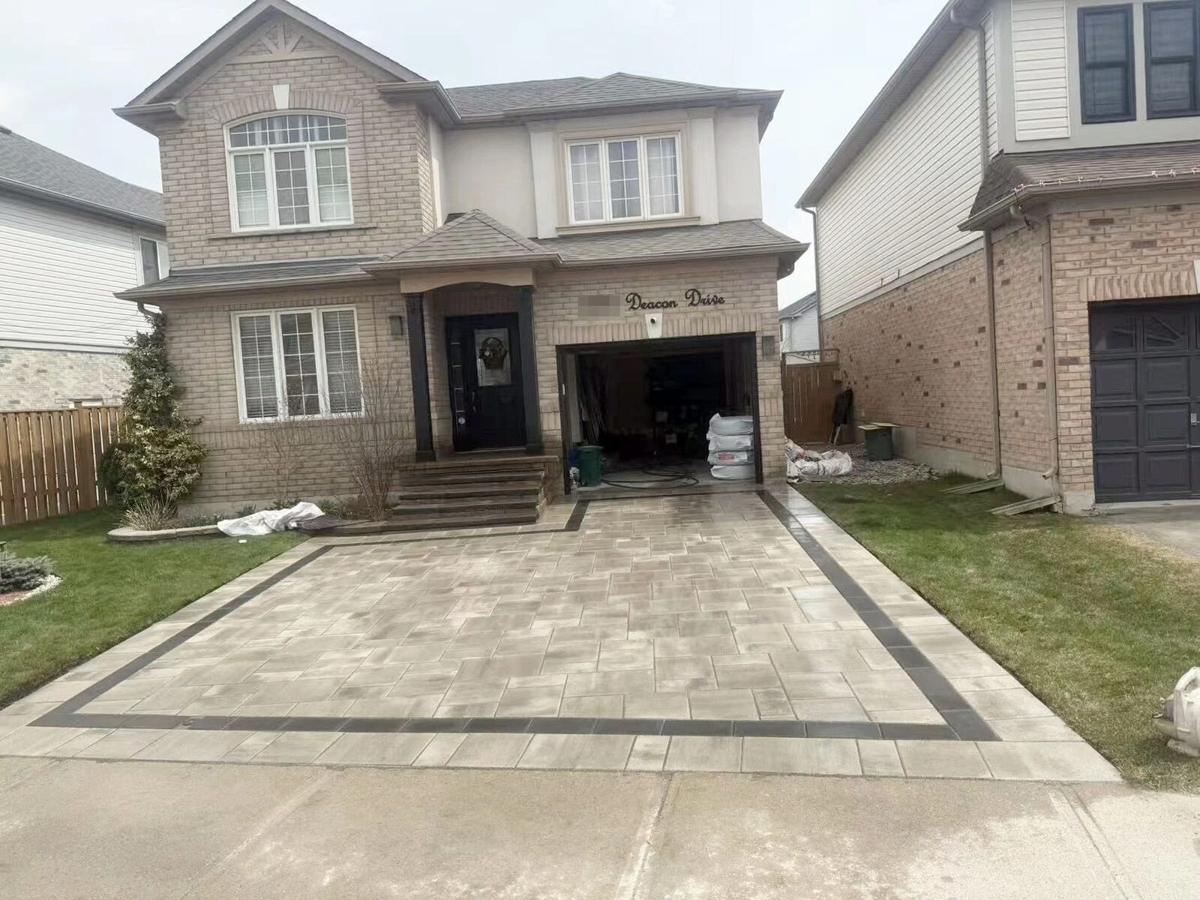
When you’re planning a project with interlocking pavers — whether it’s a quiet backyard patio or a hard-working residential driveway — the thickness you choose matters as much as the colour or pattern. Get it right and the surface performs and lasts; get it wrong and it can shift, crack, or settle. Here’s how the common thicknesses break down by use.
60mm (2.36”) — light foot traffic
The thinnest of the common options, best suited to spaces that only ever see people on foot:
- Walkways
- Patios
- Garden paths
- Pool decks
60mm pavers are designed for pedestrian use only. They handle foot traffic with ease, but they aren’t suited for vehicles or heavy loads. Their lighter weight also makes them a little easier to handle during installation.
70mm (2.75”) — residential driveways
Step up to 70mm when the surface needs to carry a personal vehicle:
- Driveways for personal vehicles
- Occasional use by light trucks or vans
This thickness strikes a balance between strength and cost, with enough durability to take the pressure of parked or slowly moving cars. For most homeowners, 70mm is the go-to option for a standard residential driveway.
80mm (3.15”) — heavy-duty and commercial use
When the load gets serious, go with the thickest option:
- Commercial parking
- Frequent or heavy traffic
- Heavy vehicles like trucks or RVs
80mm pavers are engineered to withstand significant pressure without cracking or shifting. They’re the standard for high-traffic areas, commercial driveways, and loading zones, where durability isn’t optional.
Why 70–80mm for driveways?
Choosing a thickness isn’t just about how the surface looks on day one — it’s about how it performs for years. Here’s why 70–80mm pavers are the right call for any driveway:
- Better load-bearing capacity to handle the weight of vehicles.
- Improved resistance to shifting, cracking, and settling under repeated use.
- A durable, low-maintenance surface when paired with a proper base — at least 6–8” of compacted gravel.
- Less likely to heave or break through freeze-thaw cycles, which matters in our winters.
The bottom line
If you’re installing a residential driveway, 70mm is the minimum you should use — but 80mm gives you extra peace of mind, especially if:
- You get harsh winters
- You park heavier vehicles
- You want a driveway that lasts decades, not just years
Not sure which thickness suits your space and how you’ll use it? Book a free on-site estimate and we’ll walk the property with you and recommend the right build.